2026 Top Power Bank Sharing Cabinet Trends for Global Buyers?
As global demand for convenience increases, "Power Bank Sharing Cabinet" solutions are emerging as a key trend. According to a report by MarketsandMarkets, the portable power bank market is projected to reach USD 25 billion by 2026, indicating a rising interest in sharing technology. Industry expert Dr. Lisa Chen highlights, "The future of power bank sharing hinges on seamless user experience and strategic placements."
These cabinets can be found in busy urban areas, transportation hubs, and outdoor venues. They provide instant access to portable charging solutions. However, the increasing competition poses challenges. Companies must differentiate their offerings. One crucial aspect is user-friendly interfaces and efficient battery management. Moreover, ensuring device reliability remains a paramount concern.
While the potential is vast, there are hurdles to overcome. Not all customers are aware of power bank sharing options. Educating users will be vital for widespread adoption. Thus, the design and placement of these cabinets should facilitate easy visibility. Creating partnerships with local businesses could boost awareness and usage. As the industry evolves, these insights will shape the future of the "Power Bank Sharing Cabinet" market.
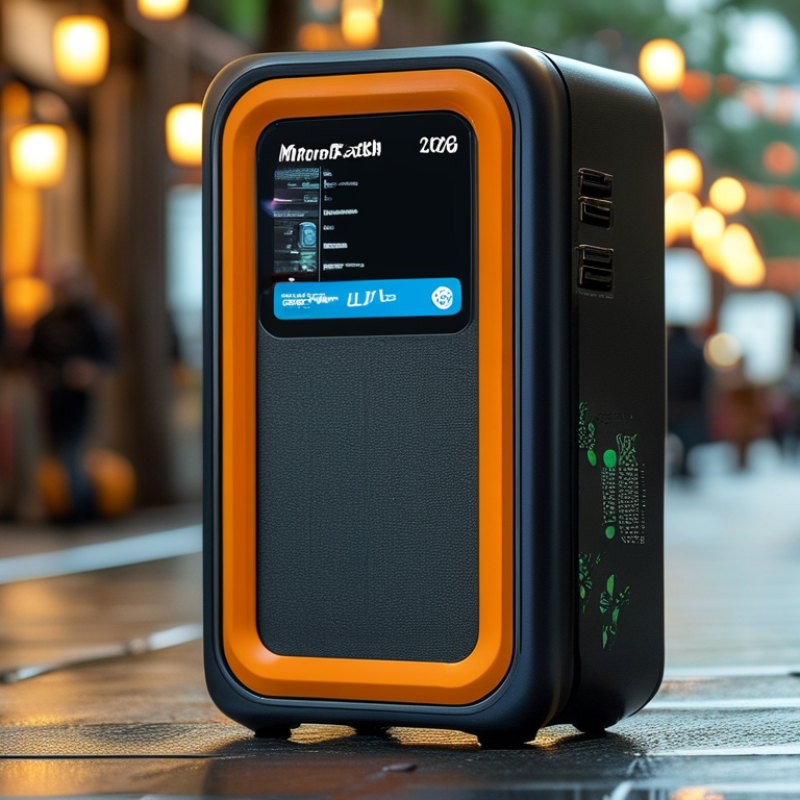
Power Bank Sharing Cabinet Market Overview and Growth Projections for 2026
The power bank sharing cabinet market is evolving rapidly. By 2026, the demand for these cabinets is expected to surge. These units offer a convenient solution for mobile charging, especially in urban areas. Users can easily access power banks and return them at designated locations. This trend caters to the growing need for battery solutions as smartphones become more integral to daily life.
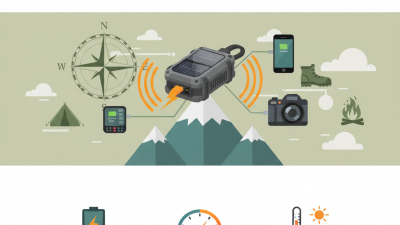
Experts predict significant growth in this sector. As more people rely on portable devices, the market for sharing cabinets will expand. Companies are exploring innovative designs. Some cabinets may even incorporate solar charging technology. However, challenges remain. Ensuring the reliability of charging stations can be tough. Additionally, maintenance of units requires consistent effort to ensure user satisfaction.
Sustainability will also play a crucial role. Many consumers are looking for eco-friendly options. This pushes companies to develop better recycling methods for old power banks. Competition among providers is increasing. Buyers must stay informed to choose the best solutions available. Ultimately, the future of power bank sharing cabinets looks promising, yet it invites reflection on industry practices.
Key Technological Innovations Shaping Power Bank Sharing Solutions in 2026
The power bank sharing industry is evolving rapidly. A report by MarketsandMarkets predicts that the market will reach $1.1 billion by 2026. This growth is fueled by technological innovations that enhance user experience. Solutions integrating real-time tracking and intelligent payment systems are leading the way. These features ensure users can locate and rent power banks effortlessly.
Social connectivity is another trend. Apps that enable users to reserve a power bank in advance are gaining traction. This convenience appeals to the busy consumer. However, the need for battery durability and reliability remains a crucial challenge. Companies often struggle to maintain power banks at optimal performance levels. Regular maintenance is not always prioritized, leaving some users frustrated.
Moreover, environmental considerations are shaping innovation. According to the International Renewable Energy Agency (IRENA), sustainable materials are becoming a priority. This shift in focus is necessary but difficult. Manufacturers face trade-offs between cost and eco-friendliness. The industry must balance efficiency and sustainability to thrive in a competitive landscape. Continued research and adaptation are essential for meeting consumer needs while addressing these challenges.
Consumer Behavior Insights: Demand for Power Bank Sharing Cabinets Worldwide
In 2026, the demand for power bank sharing cabinets is expected to soar globally. This shift is largely driven by changing consumer behavior. More people rely on their devices throughout the day. As battery life struggles to keep up, power bank sharing becomes more attractive. Consumers want convenience. They seek out easily accessible charging solutions in public spaces.
Interestingly, while the convenience of these cabinets is clear, some concerns persist. Users often worry about device safety and the reliability of the shared power banks. Some may hesitate to trust the quality of batteries. This points to the need for more consumer education. Clear information about the safety measures and maintenance of these cabinets could alleviate concerns.
Moreover, the demographics of users matter. Younger generations tend to be more accepting of shared economy models. They embrace innovations that fit into their fast-paced lives. On the other hand, older users may be more skeptical. This gap in acceptance shows a need for targeted marketing strategies. Addressing different consumer perspectives is crucial for success in this market.
Regional Market Analysis: Leading Countries in Power Bank Sharing Adoption
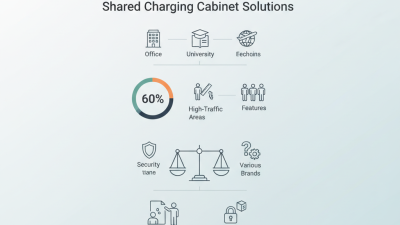
The power bank sharing market is witnessing significant growth, particularly in Asia and Europe. Recent reports indicate that the Asia-Pacific region holds approximately 60% of the global market share. Countries like China, Japan, and South Korea are leading this trend. The demand is driven by high smartphone penetration and the convenience of on-the-go charging solutions. These markets are expected to expand further as urbanization increases and more people rely on mobile devices.
In Europe, countries such as the United Kingdom and Germany are also embracing power bank sharing. Industry studies show a growth rate of about 25% annually in these regions. This rise is attributed to changing consumer behaviors and the adoption of innovative charging solutions in public spaces. However, some challenges remain. Issues like battery safety, management system reliability, and consumer awareness affect overall adoption rates. Addressing these challenges is crucial for the market's sustainable growth.
As the global landscape evolves, staying updated on local regulations and consumer preferences is essential. Companies need to adapt quickly to varying market demands. Providing reliable and efficient service is non-negotiable. This sector requires continuous improvement to align with emerging trends and technologies.
Sustainability Trends Impacting the Power Bank Sharing Cabinet Industry in 2026
The rise of sustainability is reshaping the power bank sharing cabinet industry in 2026. Across the globe, consumers increasingly seek eco-friendly solutions for their daily needs. This shift affects how power banks are designed, used, and shared. More companies are prioritizing renewable materials in production. These trends emphasize reducing carbon footprints while meeting user demands.
Innovative technology will play a significant role in the coming years. Power bank cabinets are expected to incorporate energy-efficient charging systems. Such advancements aim to minimize energy consumption. However, challenges remain. Manufacturers must find a balance between functionality and sustainability. Some designs may be less user-friendly, frustrating potential users. Striking this balance will be crucial for long-term success.
Moreover, the circular economy will influence the industry significantly. Users want systems that allow them to recycle and return devices easily. While many companies are adapting to this demand, some are falling behind. They must embrace these environmental trends to stay relevant. The power bank sharing cabinet landscape is evolving quickly. Companies need to think strategically, adapting to both user convenience and the planet's needs.



 WS Kate
 Weshare Power Bank