

 WS Kate
 Weshare Power Bank
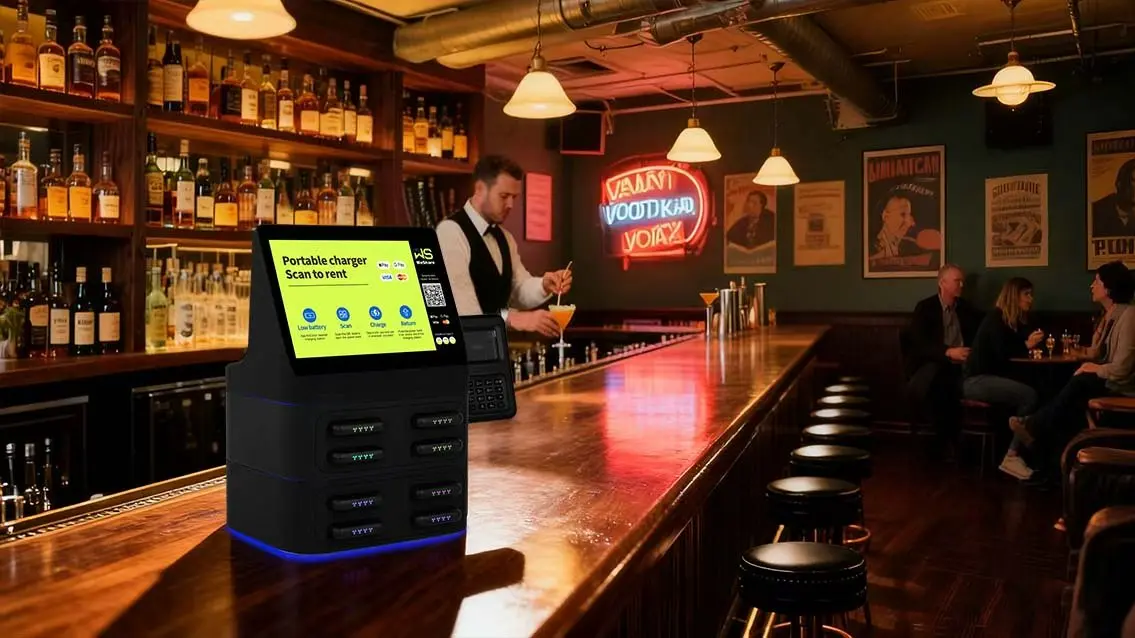
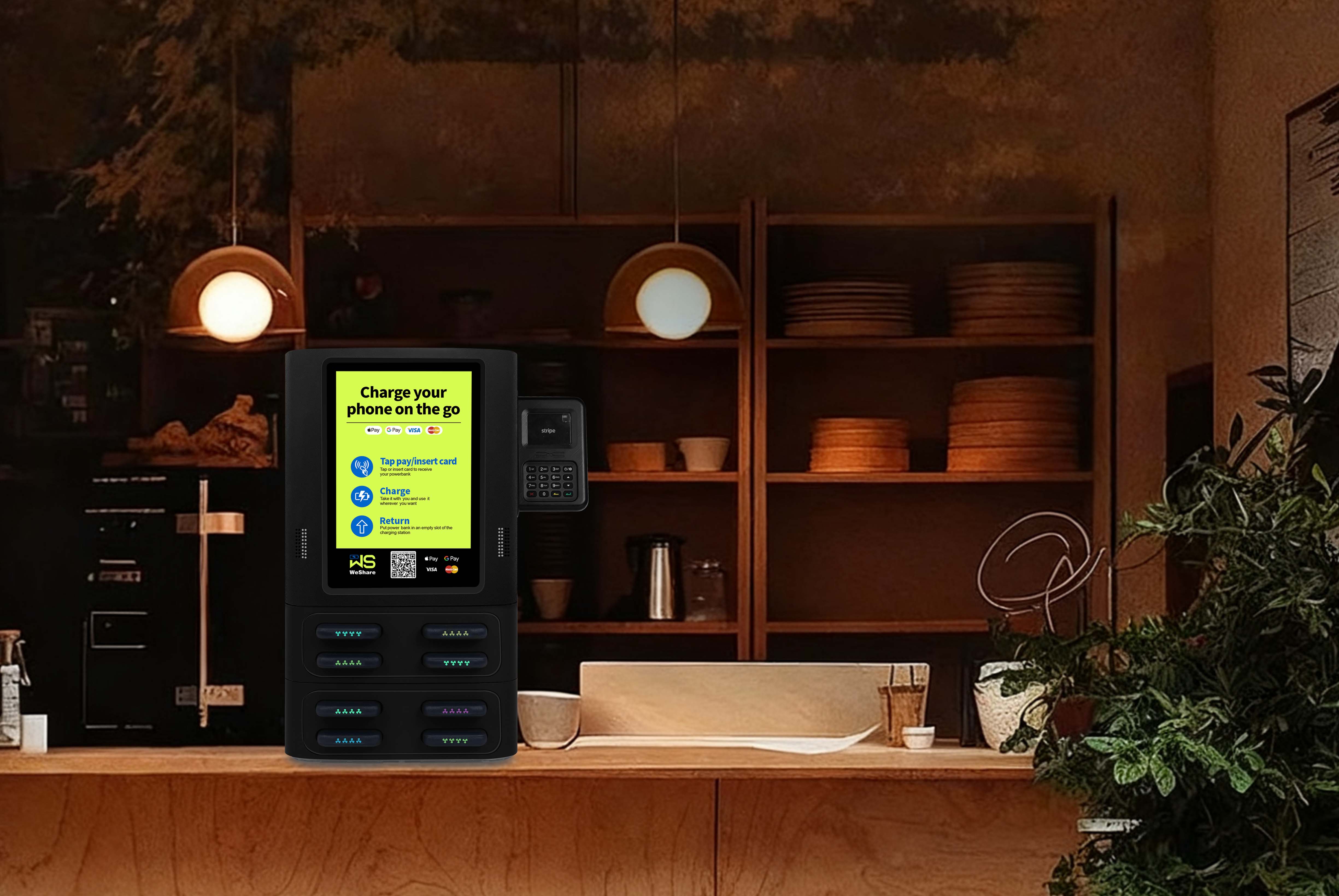
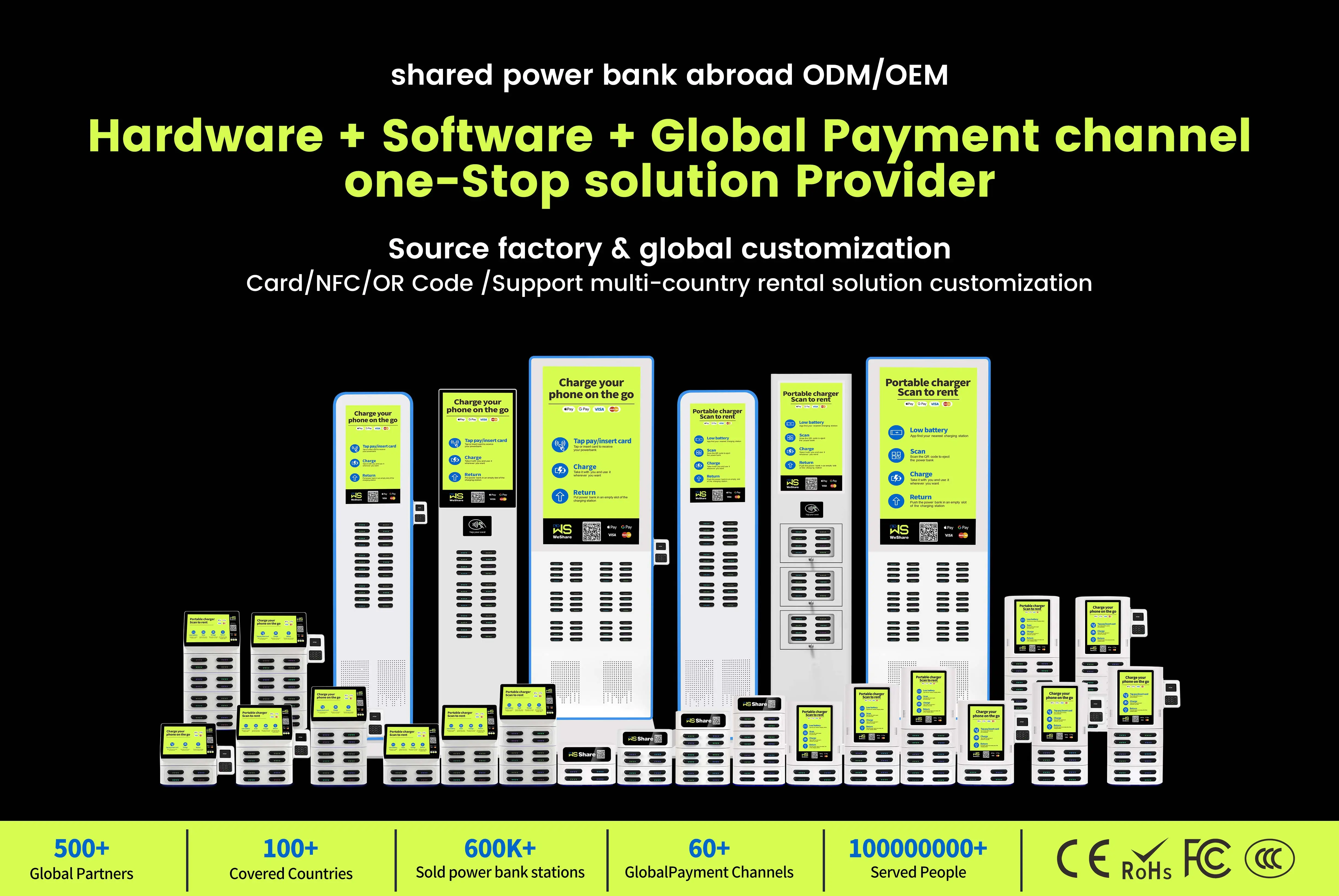
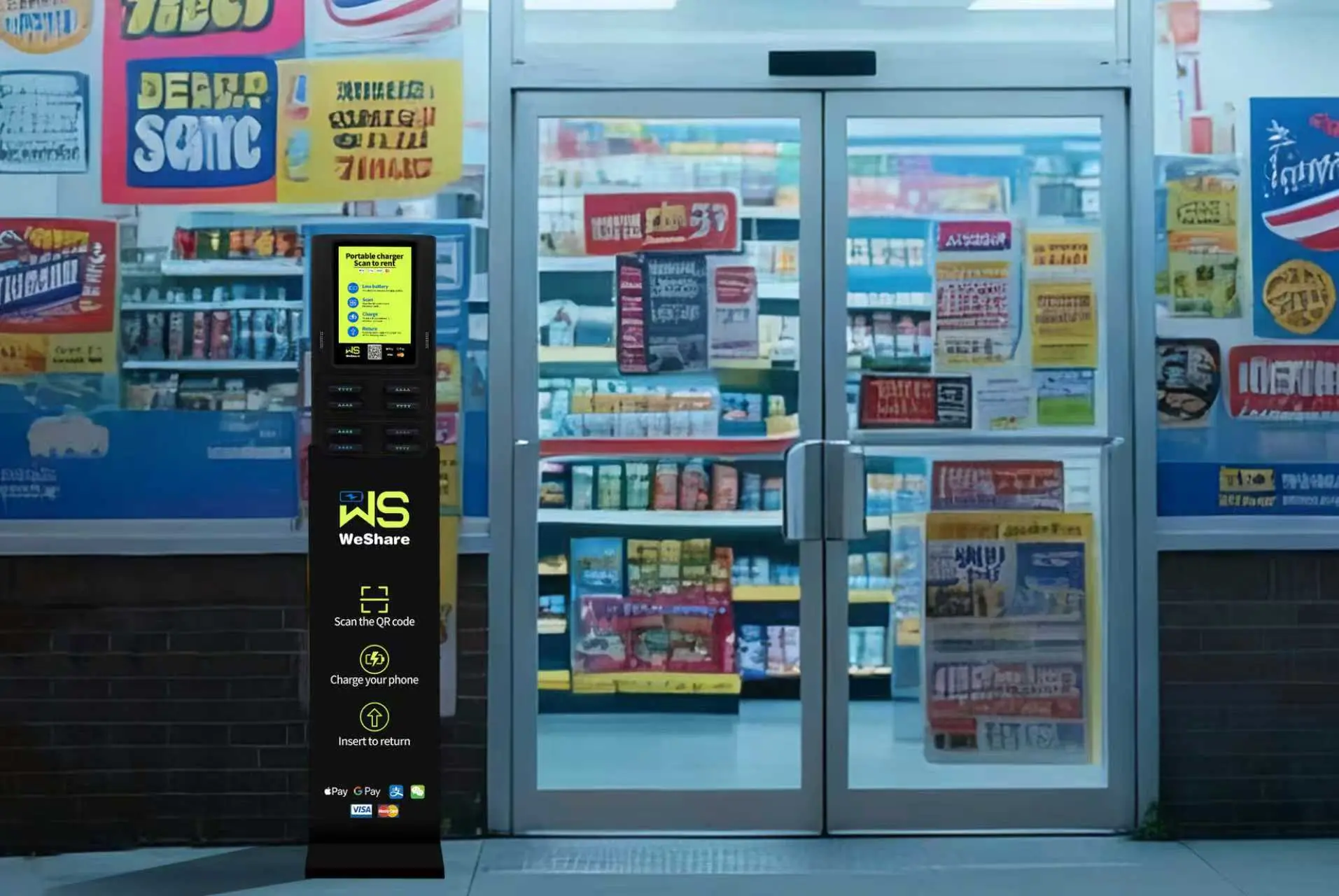
Why is there a market for shared power banks overseas?
Why did shared power banks emerge? From "battery anxiety" to a "closed business loop"—an inevitable choice
1.Phone battery life equals a sense of security, and demand stems from "battery anxiety"
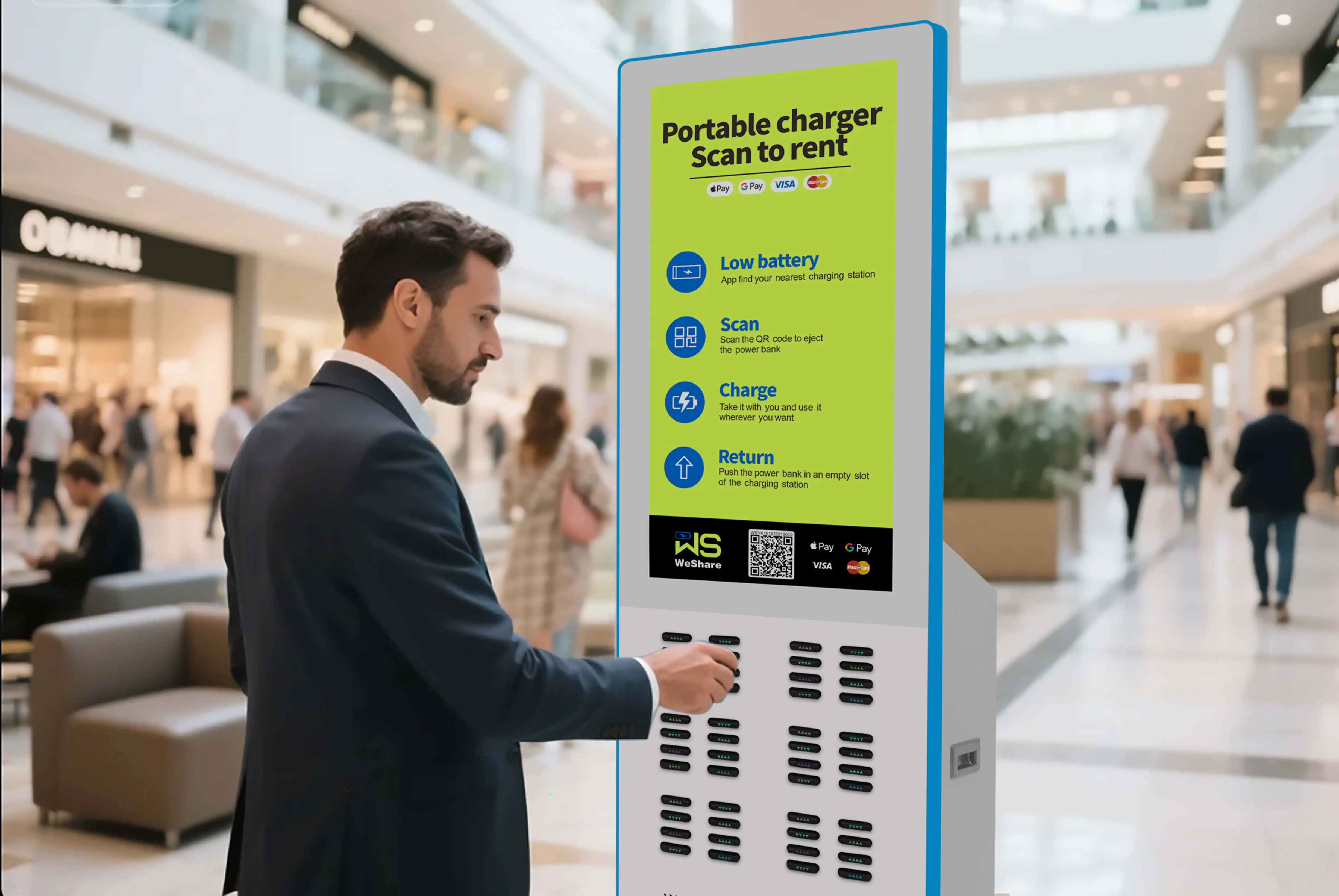
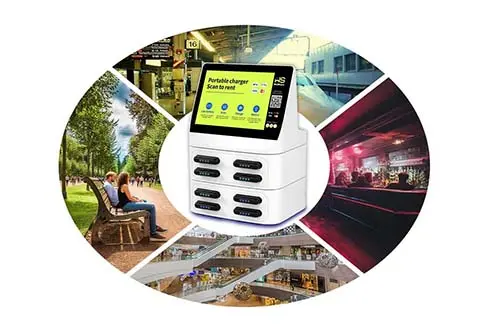
In the mobile internet era, overseas users also have a high average screen-on time, often exceeding 5 hours. Low battery levels can directly trigger anxiety. Shared Power Banks, with their ultimate convenience of "scan-to-use, borrow and return" (on the go), can alleviate the anxiety of overseas users who worry about the last 10% of their battery life. Furthermore, the rental price is within the acceptable range for overseas users, far lower than the cost of purchasing a new power bank or data cable, meeting their actual needs.
2.Merchants use a "zero-cost" tool to attract customers, creating a closed loop of secondary consumption
A similar consumption scenario is common in China: after renting a shared power bank at a shopping mall, a user, upon checking nearby return points, discovers a shared power bank of the same brand at a restaurant. They will return it and are likely to dine at the same restaurant, generating secondary purchases. Shared power banks are gaining acceptance among businesses precisely because they enable mutually beneficial partnerships between businesses and partnering restaurants, achieving sustainable growth and bringing businesses increased customer traffic and consumer opportunities.
Summary
The emergence of shared power banks is more than a simple "borrowing electricity" business. Instead, these compact devices connect three key points: user pain points, business revenue, and urban convenience. If you're looking for a low-investment, stable, and scalable startup overseas, shared power banks are worth serious consideration. Contact the Weshare team today and we look forward to collaborating with you on a mutually beneficial partnership to capture the overseas market before others.