

 WS Kate
 Weshare Power Bank
What are the main application scenarios of Power Bank Sharing Cabinet?
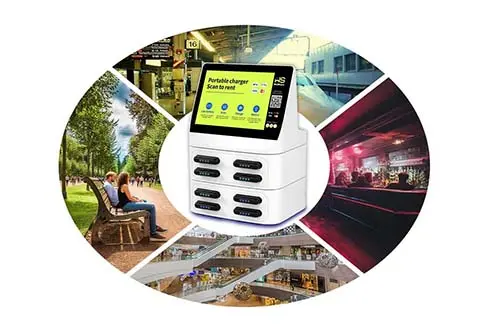
Power Bank Sharing Cabinets are best suited for places where people have temporary or frequent charging needs, usually stay for more than an hour, and are willing to pay for the service.
Recommended Scenarios for Deploying Power Bank Sharing Cabinets
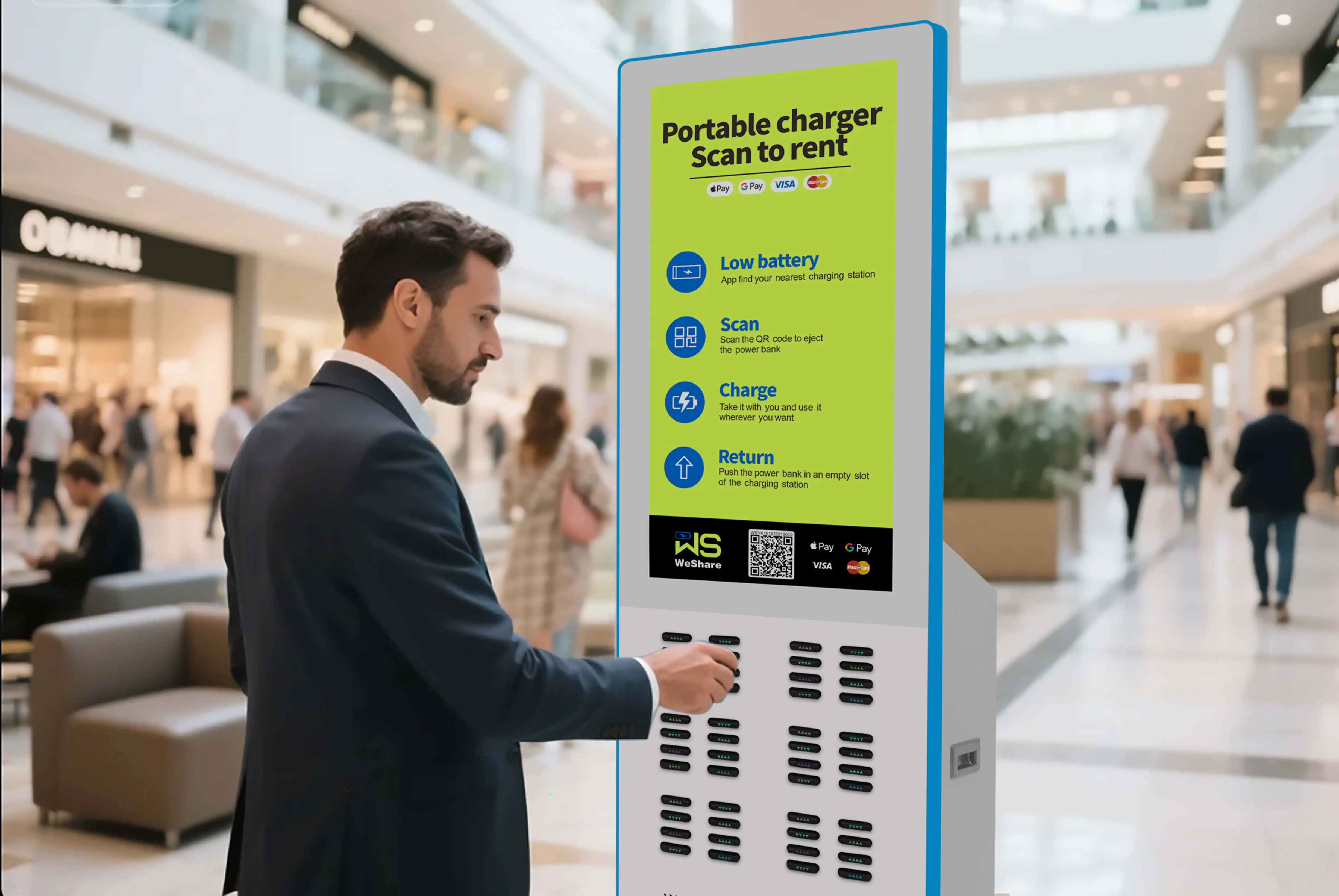
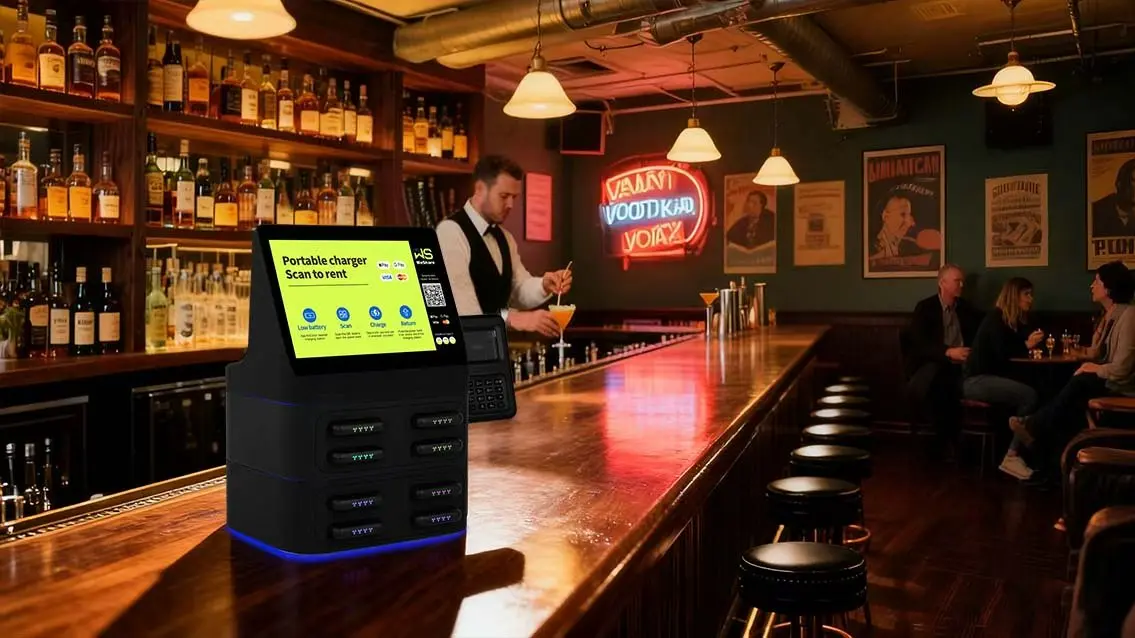
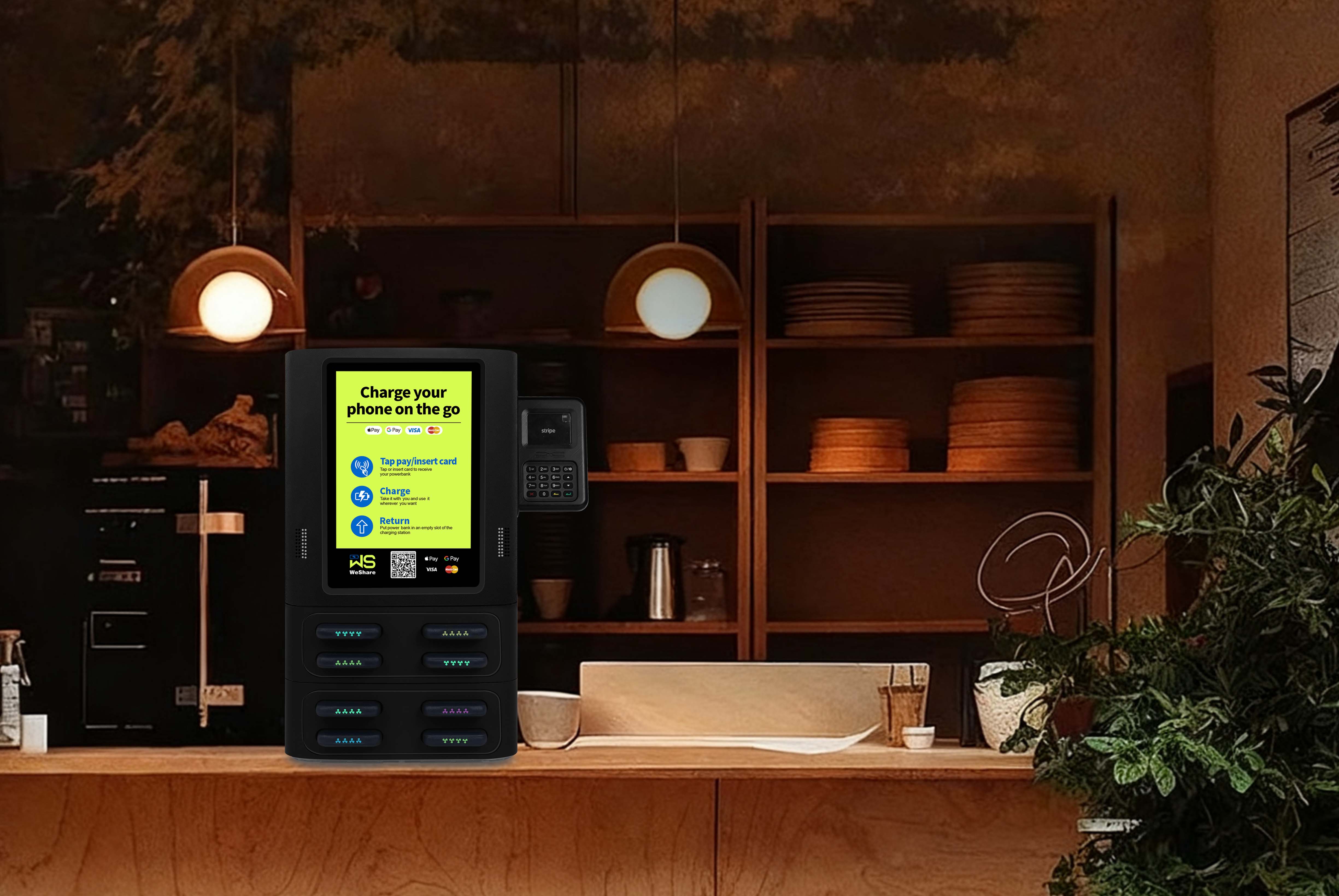
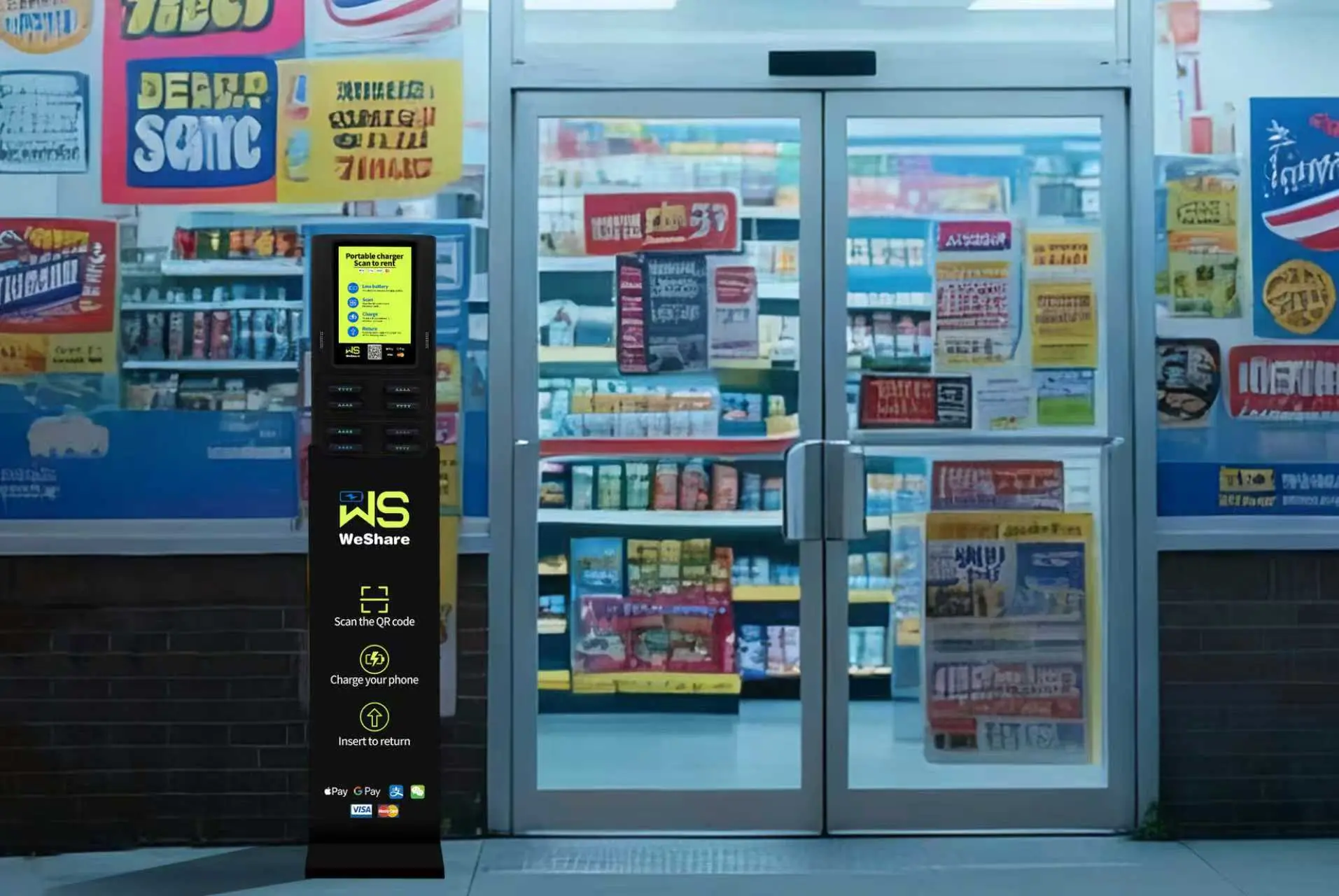
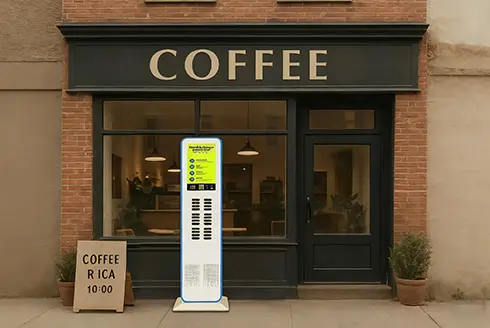
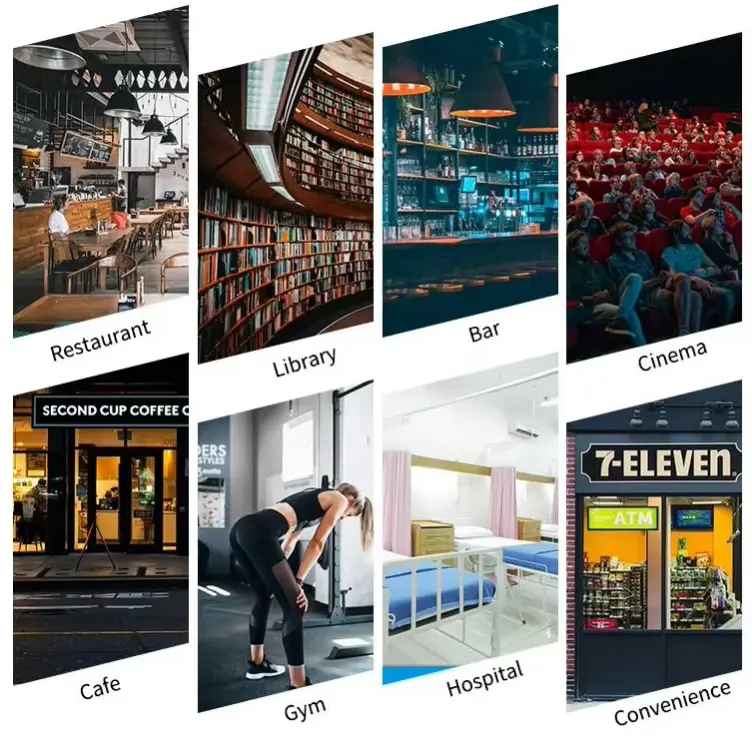
Consumer Venues: Shopping malls, restaurants, cafés, bars, supermarkets. People often use their phones while shopping, dining, or socializing, creating high charging demand.
Transportation Hubs: Airports, train/bus stations, metro stations, parking lots. Travelers and commuters rely heavily on their phones for navigation and communication and tend to be less price-sensitive.
Public and Leisure Places: Hospitals (patients and visitors spend long waiting times), tourist attractions and parks (visitors take photos and use navigation), stadiums, theaters, and convention centers (audiences use phones during events).
Work and Social Areas: Office building lobbies, KTVs, internet cafes. Employees and young people need charging options during work or entertainment.
Temporary Events and Campuses: Outdoor markets, music festivals, exhibitions (high foot traffic and limited charging facilities), university campuses (students frequently use phones in libraries, cafeterias, etc.).
What is the core logic of the application scenarios of shared Power Bank Cabinets?
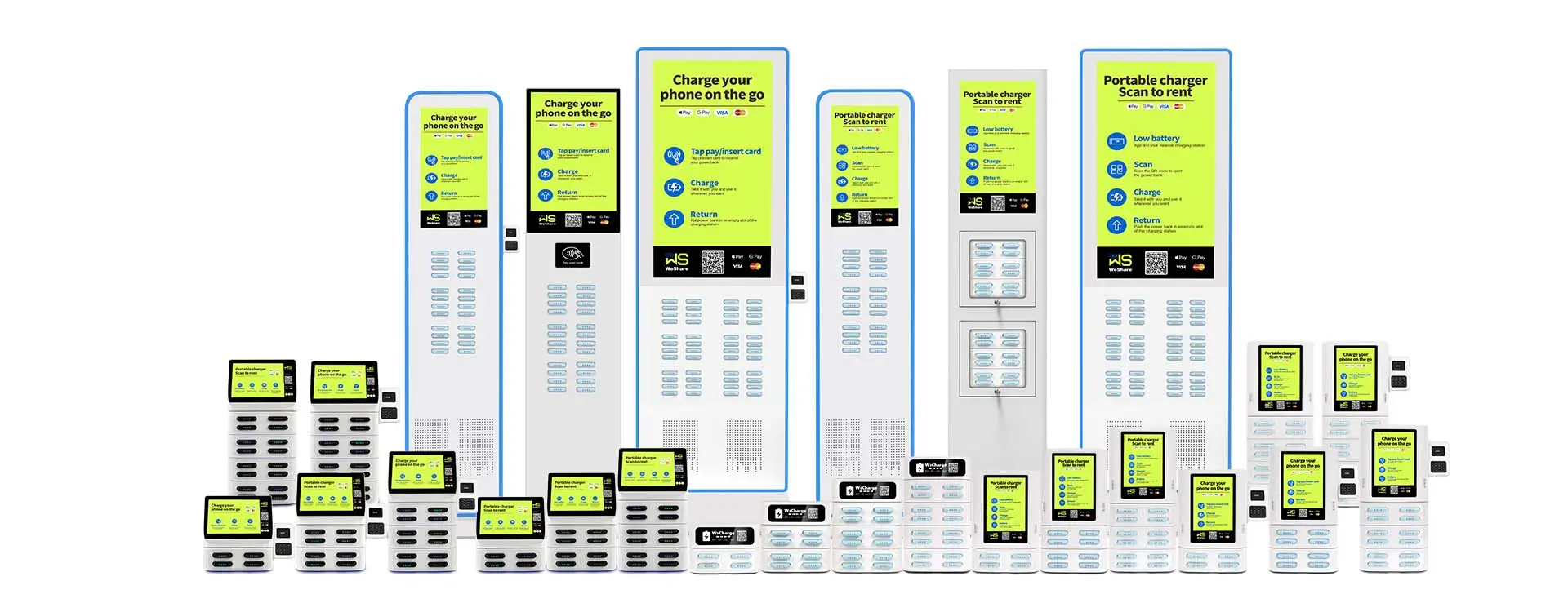
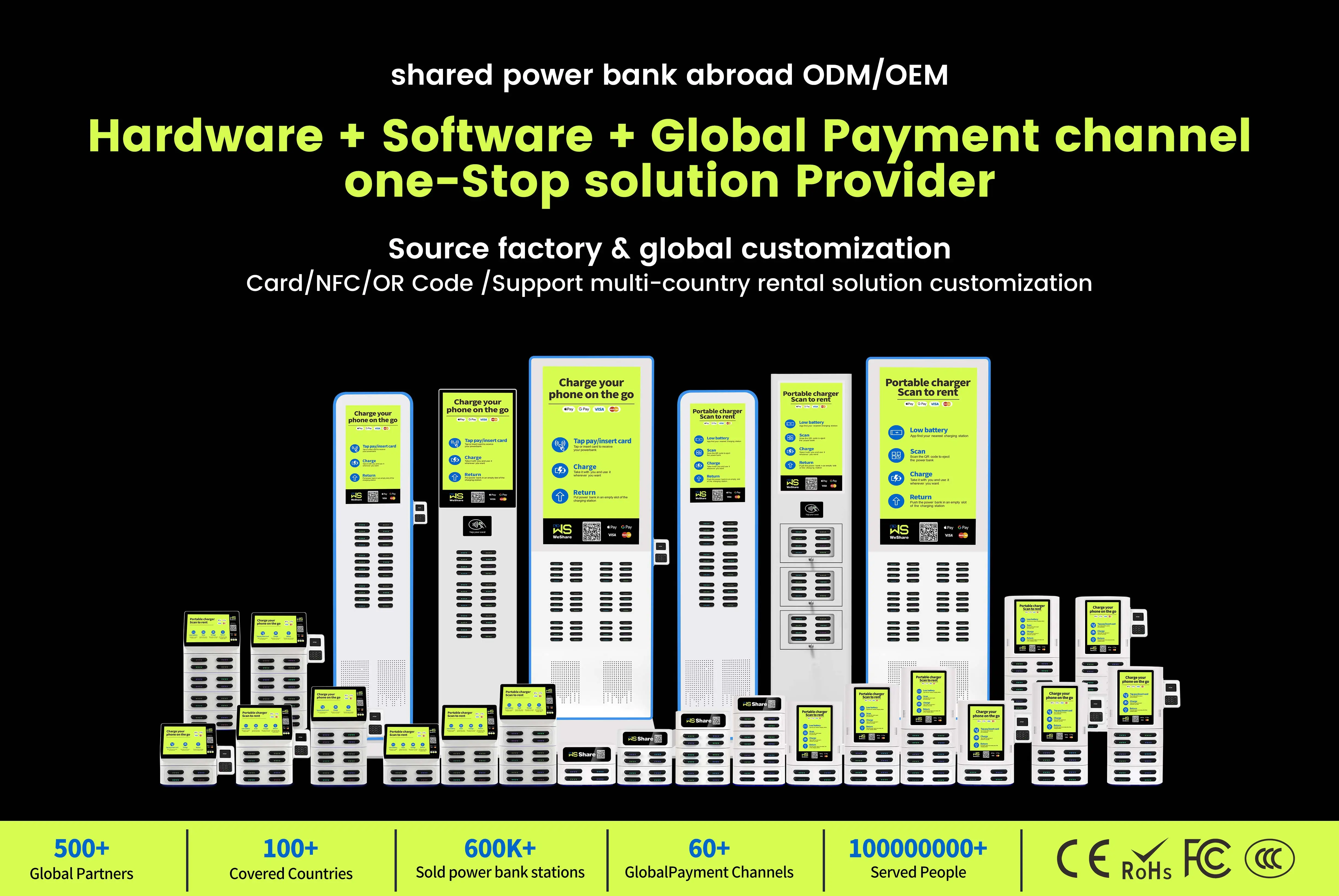
Choosing the right location for sharing cabinets depends on high foot traffic, long dwell times, and high phone usage rates. Cabinets should be matched to the environment — large capacity units for malls, compact ones for convenience stores, weatherproof and heat-resistant models for outdoor spots, and so on.
If you want to explore more ideas or have questions, feel free to contact the Weshare team. We’re here to help.