

 WS Kate
 Weshare Power Bank

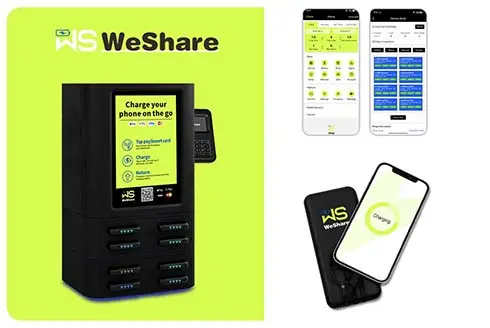
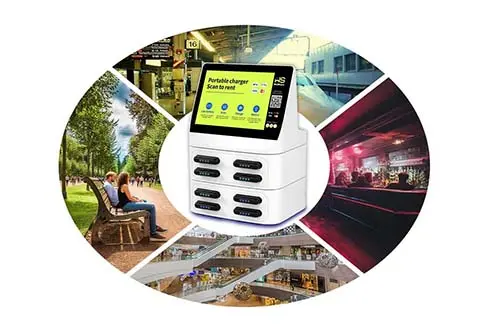
Unlock Profits: Shared Power Bank Cabinets
What is the revenue model of shared power bank cabinets
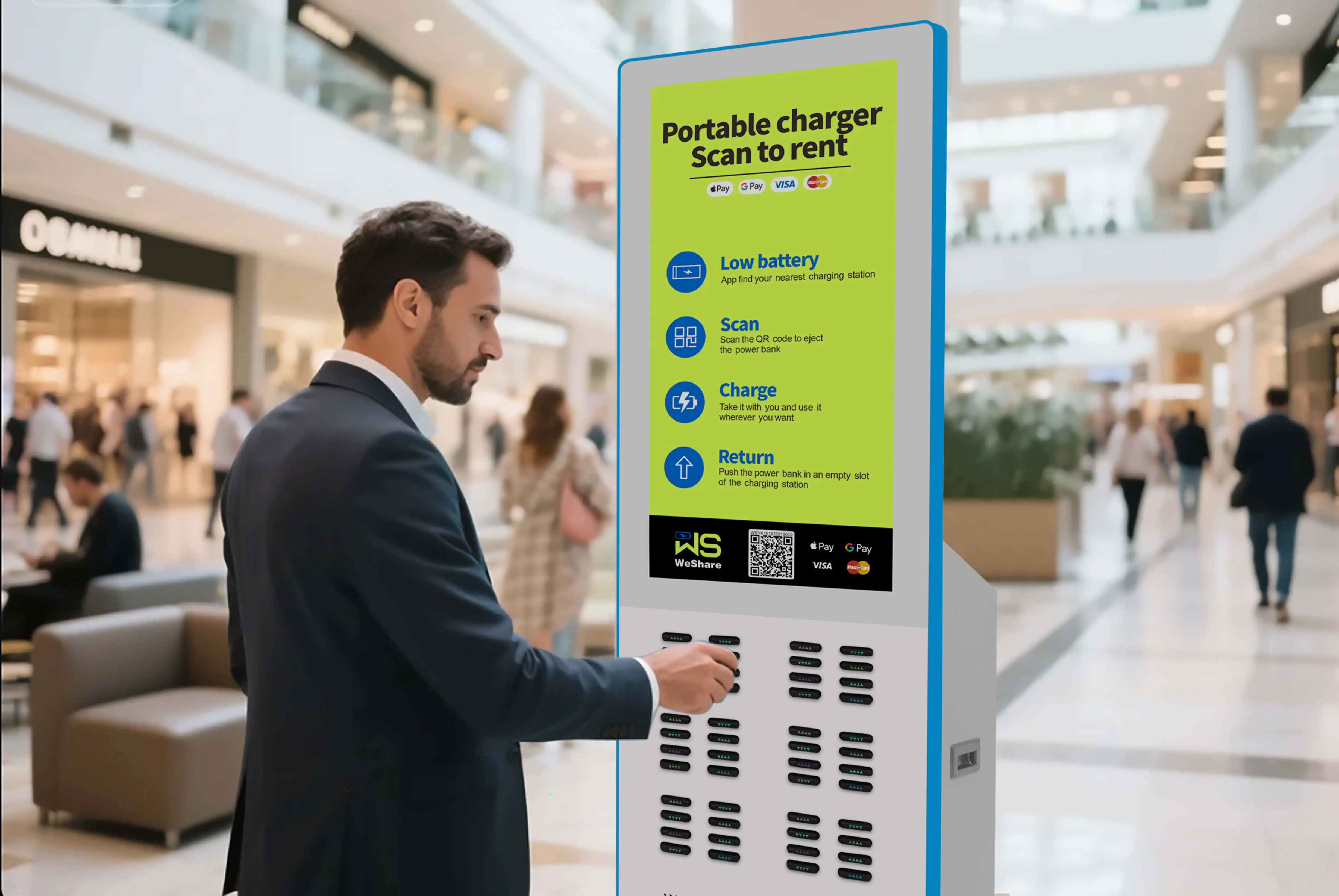
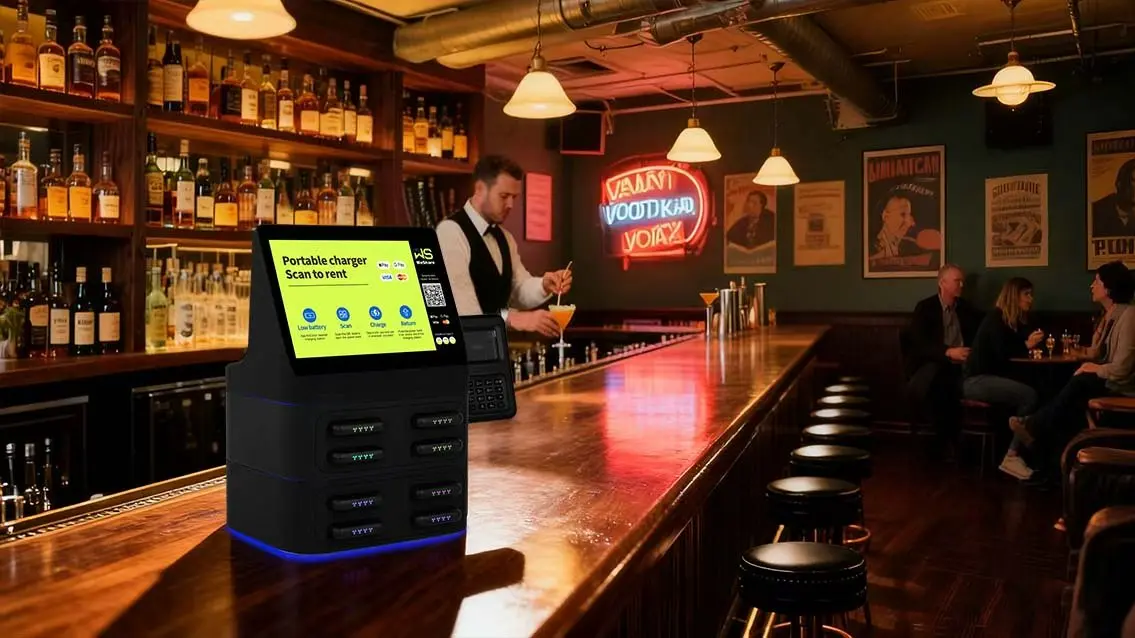
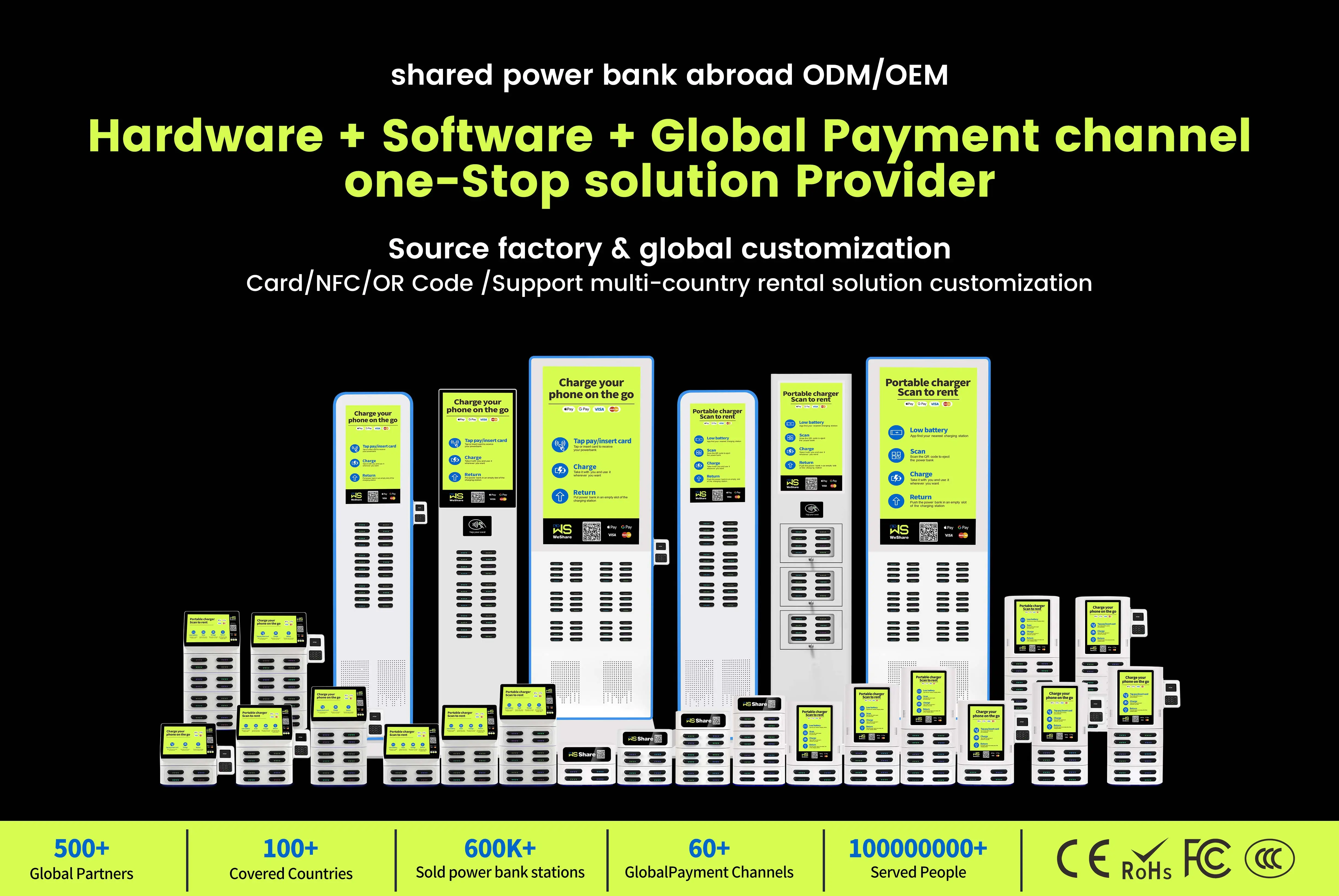
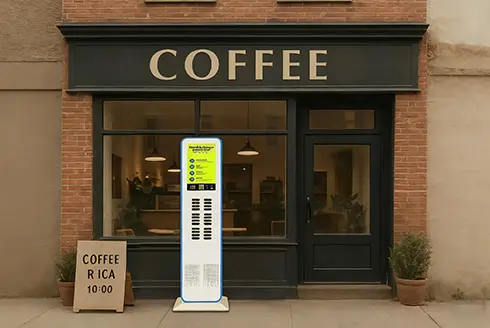
Shared Power Bank Cabinets are changing how we charge devices, offering a handy solution for people on the move. As part of the sharing economy, they let users easily access power banks in public spaces like malls and restaurants. Their revenue model stands out for blending three key parts:
- Businesses hosting the cabinets get more foot traffic and happier customers;
- This article dives into the revenue model of shared power bank cabinets, highlighting their profit potential and growth prospects.
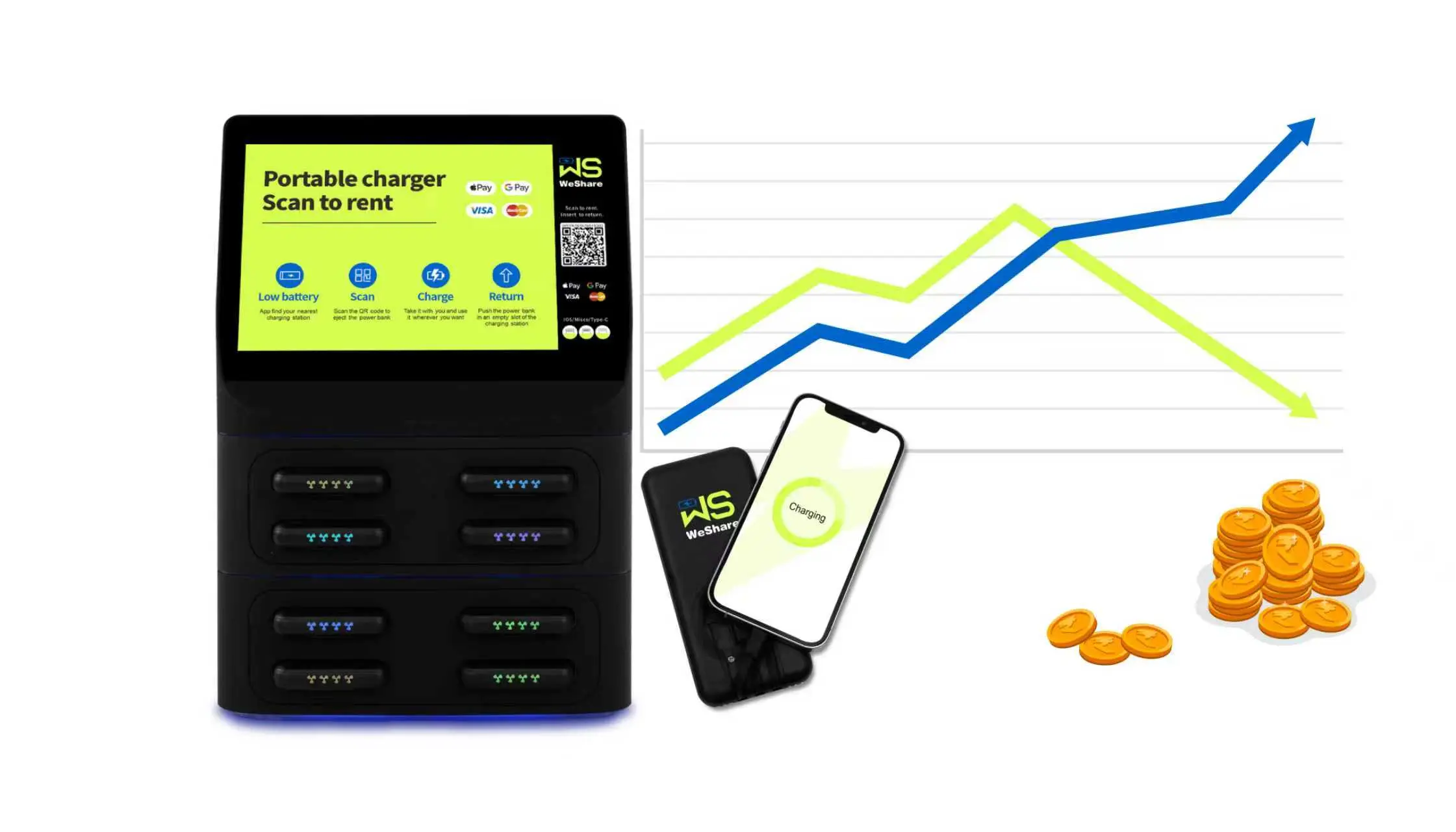
Core Revenue Streams for Power Bank Rentals
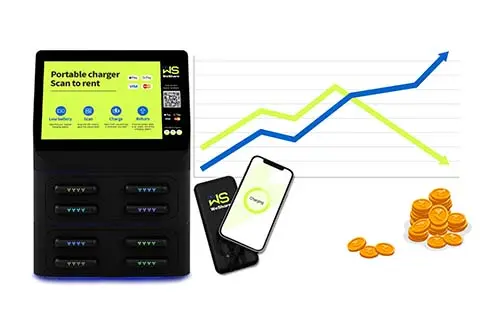
Power Bank Rentals use a diverse profit model, with multiple income sources ensuring stable profits.
Rental income is the main pillar:
- Users pay rent whether they return the power bank on time or keep it past the deadline — keeping cash flow steady;
- This simple pricing appeals to tech-savvy users who value convenience.
Advertising is another big income source:
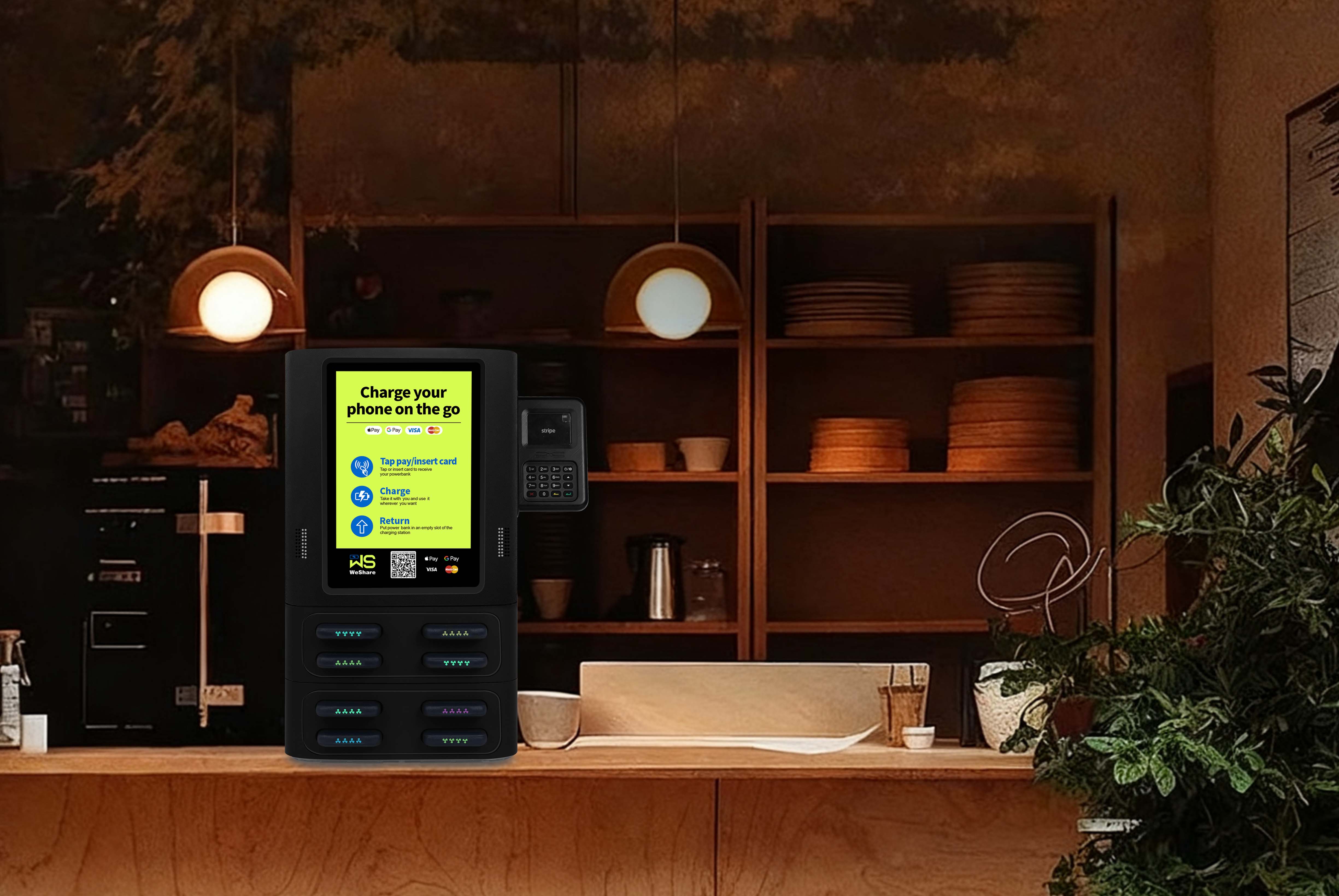
- Cabinets have built-in screens that offer digital ad spaces;
- Operators make money by partnering with brands to run promotions, boosting profit margins further.
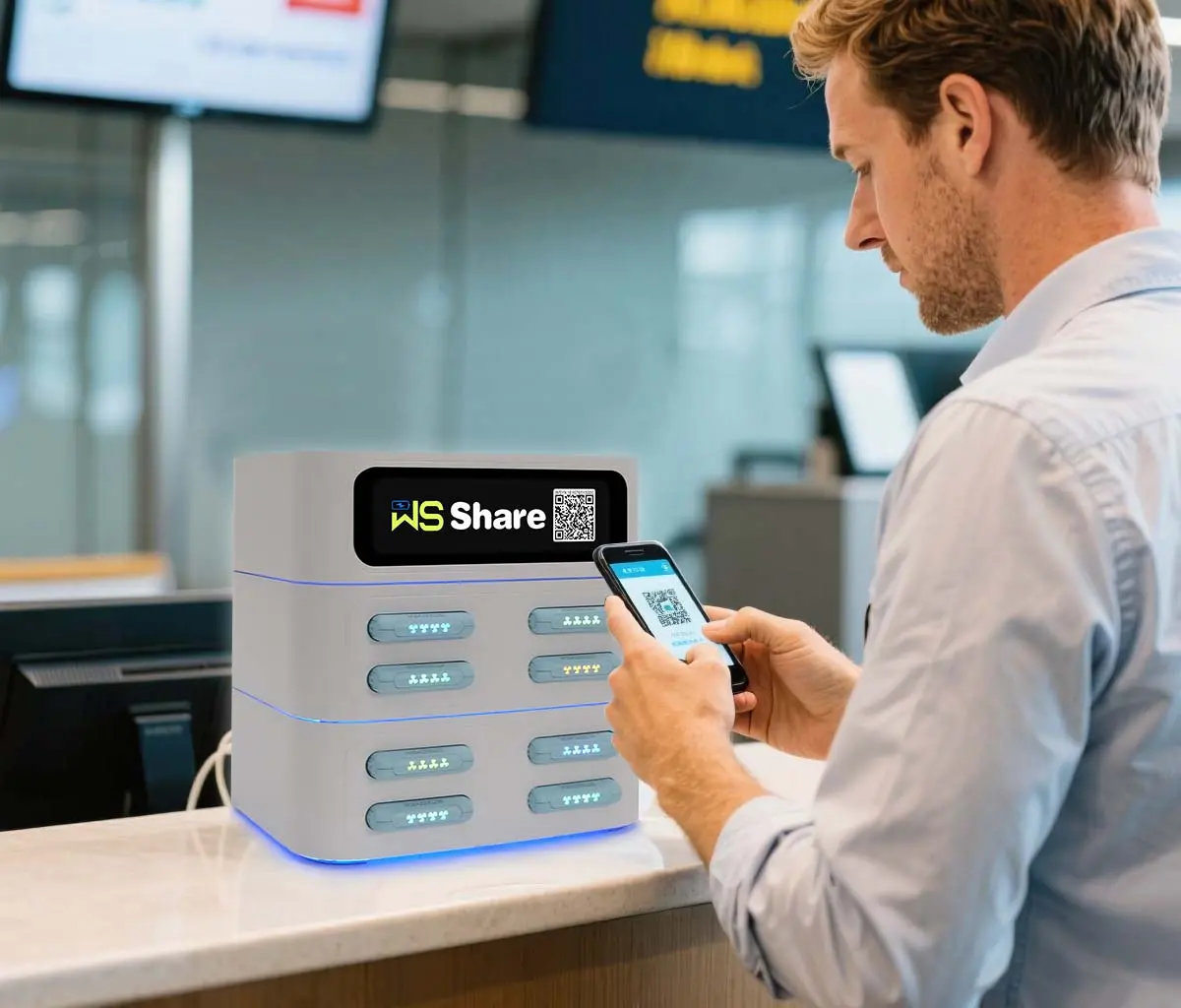
Venue collaboration also drives revenue growth:
- Venue owners (e.g., malls, restaurants) attract more visitors with the cabinets;
- Usually, venue owners get a cut of the revenue, aligning the interests of operators and venue providers.
The main revenue streams for power bank rentals are:
- User rental income;
- In-cabinet advertising revenue;
- Venue and partner revenue shares.
This diverse structure keeps cash flow stable and helps resist market changes. Every income source plays a key role in lifting overall profitability.
Revenue Sharing Model: How Do Venue Providers and Operators Profit? If you are interested in this or want to learn more about shared power bank cabinets, feel free to contact the professional team at Weshare for answers to your questions!