Why Choose a Shared Power Bank Station for Your On-the-Go Charging Needs?
In today's fast-paced world, staying charged is crucial. A "Shared Power Bank Station" can be a game-changer for on-the-go charging needs. As Emily Carter, a leading expert in portable energy solutions, puts it, “Access to power should be as easy as finding a nearby café.” This underscores the essential role of Shared Power Bank Stations in our daily lives.
Imagine attending a lengthy conference or exploring a bustling city. Your phone’s battery drains fast, leaving you disconnected. This scenario highlights the importance of convenient charging options. Shared Power Bank Stations can be located in strategic spots, ensuring easy access for everyone. Having a power bank on hand boosts confidence during important moments.
However, there are challenges. Not all stations are user-friendly. Some may not work properly, causing frustration. It's crucial to choose reliable providers. As the industry evolves, continuous improvement is needed to meet user expectations. Balancing convenience and reliability will make Shared Power Bank Stations indispensable in modern life.
Benefits of Using Shared Power Bank Stations for Mobile Charging
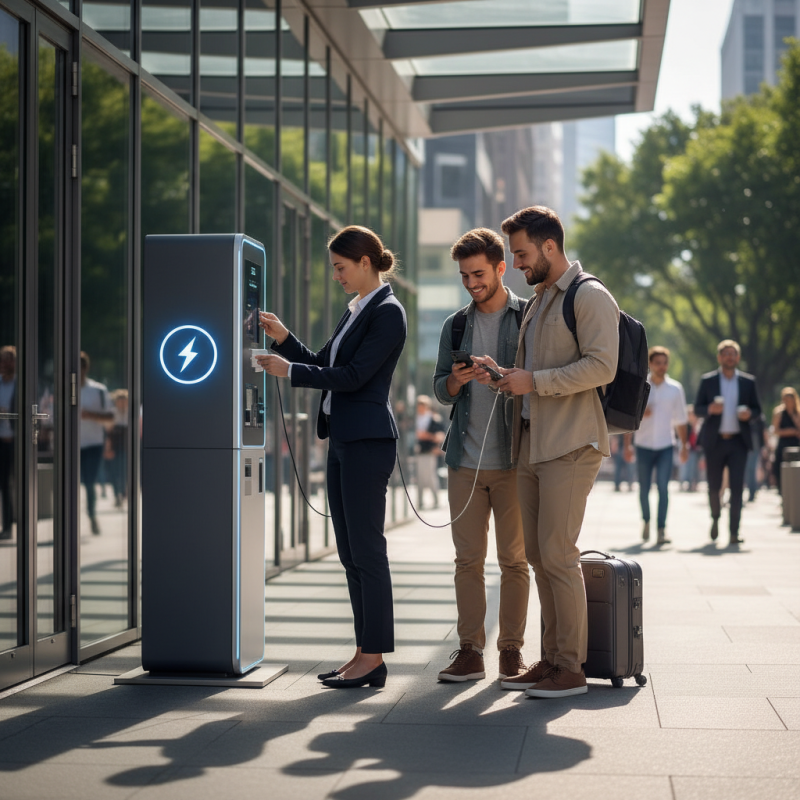
Shared power bank stations are becoming essential for modern mobile users. People increasingly rely on their devices for navigation, communication, and entertainment. With this dependency, a charged battery is crucial. However, carrying a power bank can be cumbersome. A shared power bank station provides a convenient solution by allowing users to borrow chargers as needed.
The benefits are clear. These stations reduce the need for people to carry bulky chargers. They are often available in high-traffic areas like cafes, airports, and shopping malls. This makes it easy to find a charging option during busy days. Users can rent a power bank, charge their devices, and simply return it when done. This system promotes sustainability, as multiple users share a single power bank instead of each person owning one.
Despite these advantages, challenges exist. For instance, users need to remember to return the device promptly. There might be issues with availability during peak times. Additionally, concerns about hygiene can arise, especially if multiple people handle the same device. Addressing these points is important for the continued growth and acceptance of shared charging solutions.
Convenience of Accessing Charging Solutions Anywhere
In today’s fast-paced world, access to charging solutions can make or break your experience.
Studies show that over 80% of smartphone users experience battery anxiety.
This phenomenon often leads to frustration when you realize your battery is critically low.
A shared power bank station can be a lifesaver in these situations, allowing easy access to charging anywhere.
Shared power bank stations are available in numerous locations,
from cafes to airports. Research indicates that nearly 70% of consumers prefer locations with charging stations.
This preference reflects the growing demand for convenient charging options.
Imagine being at a concert or a busy airport.
With just a few taps on your phone, you can rent a power bank and keep your devices alive.
It is a simple yet effective solution for those in need.
However, convenience comes with its own set of challenges.
Many people may worry about battery quality and hygiene of rented devices.
Additionally, some stations may not be as widely available in less populated areas.
It’s crucial to know your options and be mindful of potential drawbacks.
While shared power banks are a great innovation, understanding the limitations can enhance your charging experience on-the-go.
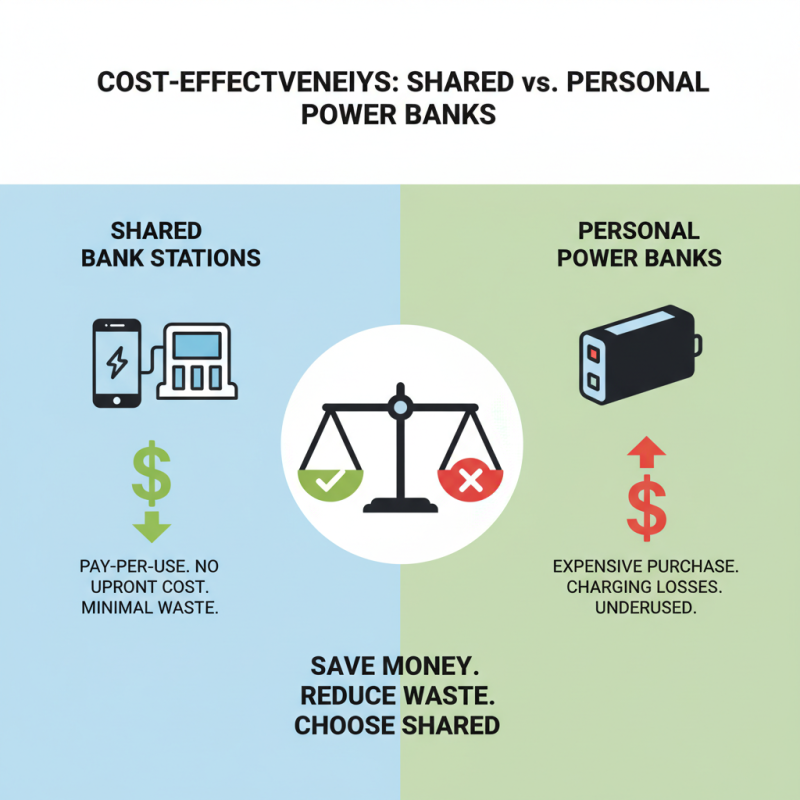
Cost-Effectiveness of Shared Power Banks Compared to Personal Units
Shared power bank stations have become a popular solution for charging devices while on the go. One significant advantage is their cost-effectiveness. Acquiring a personal power bank can be expensive. With shared stations, users only pay for the energy they use. This arrangement minimizes wasted resources.
Moreover, the convenience of unlimited access to shared power banks reduces financial strain. Users can charge their devices whenever they need without committing to a single purchase. However, people may hesitate to rely on shared power banks due to concerns about availability or functionality. It’s essential to choose a station that is well-maintained and widely accessible.
Tips: Before using a shared power bank, check the charging speed. Ensure your devices are compatible with the stations available. Also, consider how frequently you will need to charge while out. This can help you decide if the shared option suits your lifestyle. Remember to keep your personal charger handy for emergencies, as waiting for a shared power bank might not always be convenient.
Environmental Impact of Choosing Shared Power Bank Stations
The environmental impact of shared power bank stations is significant. These stations reduce the need for individual chargers, which often contribute to electronic waste. Each year, millions of chargers are discarded. This waste harms ecosystems and fills landfills. By sharing power banks, users can help lower this waste.
Moreover, shared stations promote better resource use. Instead of producing countless charged batteries, a single power bank can serve multiple users. This efficiency leads to fewer resources consumed in manufacturing. Users often overlook the benefits of reduced carbon footprints. Each time a shared power bank is used, it symbolizes a step towards sustainability.
However, there are challenges worth noting. Maintenance of these stations is crucial for reliable service. If stations are poorly maintained, they may frustrate users. Users also need to understand how to use these systems responsibly. Misplacing power banks or returning them late can affect the entire community. Ultimately, users play a pivotal role in making shared power bank stations truly effective.
User Experience and Technology Behind Shared Power Bank Stations
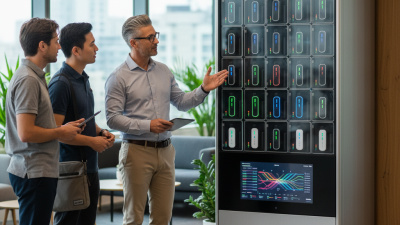
Shared power bank stations are becoming essential for modern consumers. These stations are strategically placed in high-traffic areas, allowing users to charge their devices quickly. According to a report from Market Research Future, the global rental power bank market is expected to grow at a CAGR of 18.4% from 2021 to 2027. This growth highlights the increasing reliance on mobile devices for daily activities.
User experience is at the forefront of these stations. Most offer a simple interface, allowing users to rent a power bank with just a few taps on a screen. Data from Statista indicates that nearly 80% of consumers prioritize convenience in their charging solutions. However, there are challenges. Some users experience wait times during peak hours, and the reliability of the stations can vary. A 2022 survey revealed that about 15% of users reported experiencing equipment malfunctions.
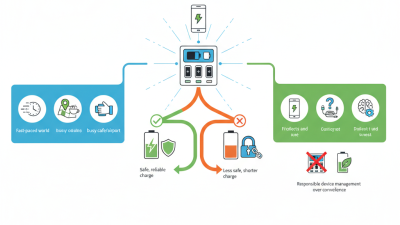
The technology behind shared power banks is noteworthy as well. Stations often use fast-charging technology, minimizing downtime. Many power banks come equipped with multiple charging cables, supporting various device brands. Nevertheless, users may sometimes find the quality of the power banks inconsistent. This inconsistency raises questions about maintenance and management. Addressing these issues can improve overall user trust in the system.


 WS Kate
 Weshare Power Bank